OUR VOICES, OUR HEALTH: RECLAIMING THE FUTURE FOR YOUNG WOMEN IN NIGERIA
In Nigeria, the statistics of the HIV epidemic tell a sobering story, but it is the human narrative behind those numbers that demands the most urgent attention. Nigeria currently holds the highest number of people living with HIV in West and Central Africa, estimated at approximately 1.9 million people. Within this landscape, a stark and persistent gender disparity exists: infection rates among adolescent girls and young women (AGYW) are four times higher than among their male peers.
This vulnerability is not a matter of biology alone; it is a product of systemic barriers and deeply rooted disruptions. Adolescent girls and young women continue to be turned away at service points due to cultural norms that limit their health decision-making ability. Barriers to prevention, treatment, and care are often compounded by age, gender, economic status, and even disability. These inequalities do not just hinder access to information; they undermine the fundamental right to quality, respectful, and rights-based healthcare.
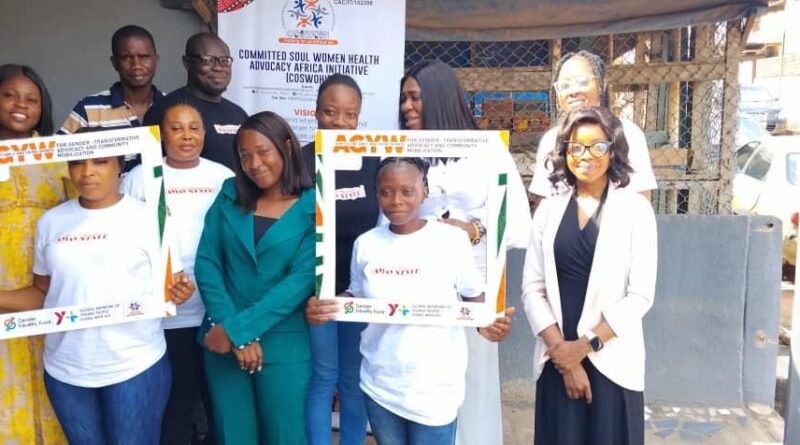
Against this backdrop, a powerful transformation is taking place. It is not just about data points or policy documents; it is about the young women who are finally standing at the front of the room, speaking for themselves. As the lead for the Gender Equality Fund (GEF) project in Nigeria—a three-year consortium initiative (2024-2026) led by Y+ Global and implemented across Kaduna, Benue, Lagos, Oyo, Akwa Ibom, and Rivers State—the African Network of Adolescents and Young Persons Development (ANAYD) is spotlighting a journey of progress. Alongside fifteen AGYW-led and serving organizations, the project is working to design, deliver, and influence gender-transformative and gender-affirmative approaches to health, with a focused lens on HIV, tuberculosis, and malaria.
BREAKING BARRIERS, BUILDING POWER
For many young women, navigating health systems is fraught with stigma and systemic “disruptions” that increase susceptibility to illness. This project was built to tear those barriers down by fostering a sense of autonomy and empowerment. Through focused webinars and direct mentorship, the project saw over 55 young women report a surge in confidence, asserting their right to make decisions about their own healthcare.
One of the most poignant moments of this year came during the World AIDS Day 2025 commemoration. Grantees united to issue a Joint Statement urging immediate action to tackle enduring disparities. A young speaker, standing tall before her peers during a session on barriers to care, reminded the audience why this work is vital:
“Our Voice matters… we are not weak.”
This spirit of resilience was equally evident in the “Know TB, No TB” webinar. Facilitated by the GEF ambassador and champions from the Tuberculosis Women Academy, the session dismantled dangerous myths and provided critical facts on HIV and tuberculosis co-infection risks, empowering participants to take charge of health resources.
LEAVING NO ONE BEHIND: REACHING THE UNREACHED
Project progress is defined by a commitment to reach those often left in the shadows. The Joint Statement emphasizes that health responses must prioritize those most marginalized, including young women living with disabilities or those in extreme poverty. It is recognized that true health equity is impossible if interventions only reach those in classrooms or urban centers. This year, a bold step was taken through a strategic advocacy visit to the UNICEF office in Kaduna.
The mission was clear: to advocate for the expansion of the current Human Papillomavirus (HPV) vaccination program—traditionally focused on in-school girls—to intentionally include out-of-school adolescent girls and young women. By pushing for policies that bridge this gap, the project ensures that the education status or economic standing of a girl never determines her right to life-saving preventative care.
A SEAT AT THE TABLE
Progress is not just measured in workshops; it is measured in influence. ANAYD has ensured that young women are present where the most significant decisions are made. The organization successfully participated in Global Fund reprioritization meetings, advocating fiercely to ensure that AGYW interventions remained a priority despite budget shifts.
This influence has reached the global stage through contributions to the Commission on the Status of Women (CSW70) recommendations. These contributions called for the removal of legal barriers to health services and the integration of justice referral pathways into HIV and Sexual and Reproductive Health and Rights (SRHR) delivery. By emphasizing substantive engagement in decision-making, the project is not just asking for change; it is providing the roadmap for it.
A NETWORK OF IMPACT
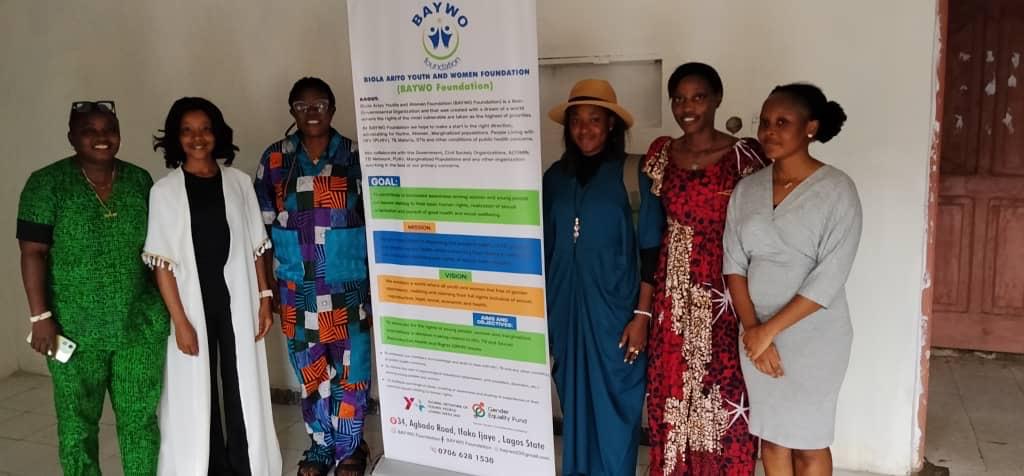
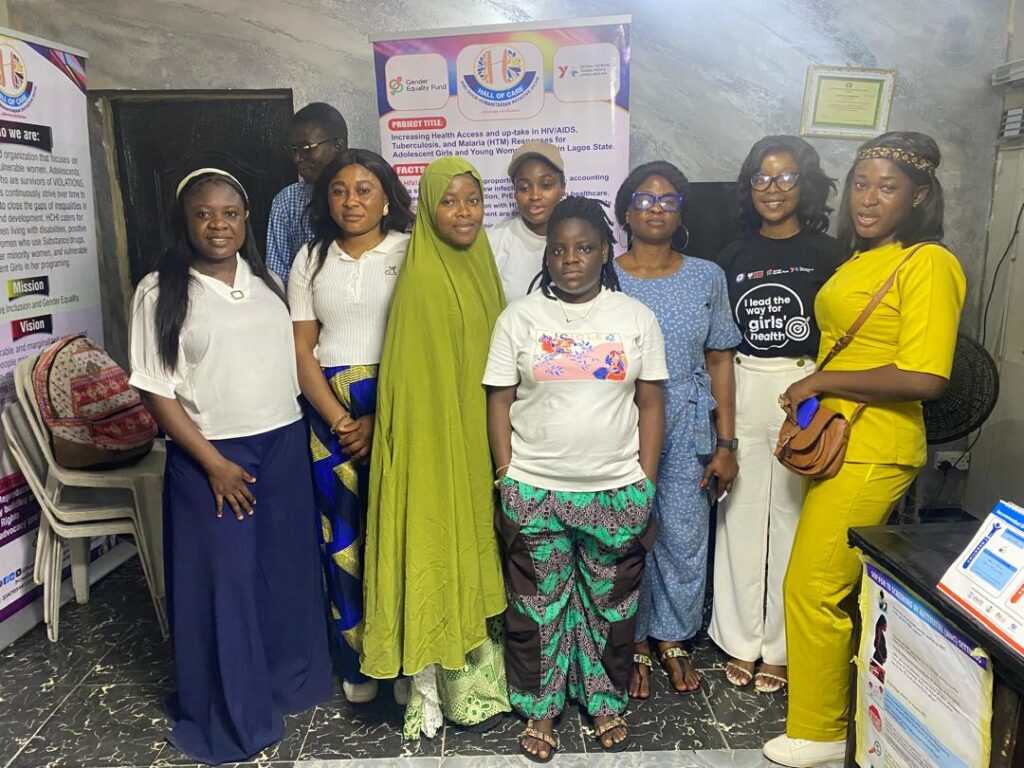
This work is a collective effort, fueled by the shared vision of fifteen dedicated organizations. ANAYD leads a group of partners and grantees, including Stand with a Girl Initiative, Open Heart Foundation, Ojilima Women Foundation (OWF), CWIDI, Y+ Global, CS4ME, HCHI, SID, BAYWOF, MHSA, COSWOHI, Brokline Foundation, IGE-SRH, Greater Women Initiative for Health and Rights (GWIHR), and Gem Hub Initiative.
Together, these partners have built a “sustainability pathway.” Gaps have been bridged between local partners and state agencies (SACA) in regions like Akwa Ibom and Lagos, ensuring that grantees have the institutional support they need to thrive long after this project cycle ends.
THE ROAD AHEAD
For donors and partners, support has moved the initiative from “planning” to “power.” With 12 out of 14 grantees now meeting their targets, the capacity-building roadmap is working. The initiative has moved past simply stating facts to witnessing a genuine evolution in how young women view their own agency.
The progress observed—the confidence in the voice of a young woman, the inclusion of out-of-school girls in policy discussions, and the strengthening of community networks—is only the beginning. It proves that when an investment is made in young women, it does not just change a life; it changes the future of a nation. As the collective voice of the GEF grantees declares, it is time to overcome disruptions and transform the AIDS response by putting those most affected at the center.
The goal remains to ensure that every girl in Nigeria can say with confidence: My health, my voice, my choice.
